Brad Bentley: A High Value Life Built on Service, Relationships, and Purpose
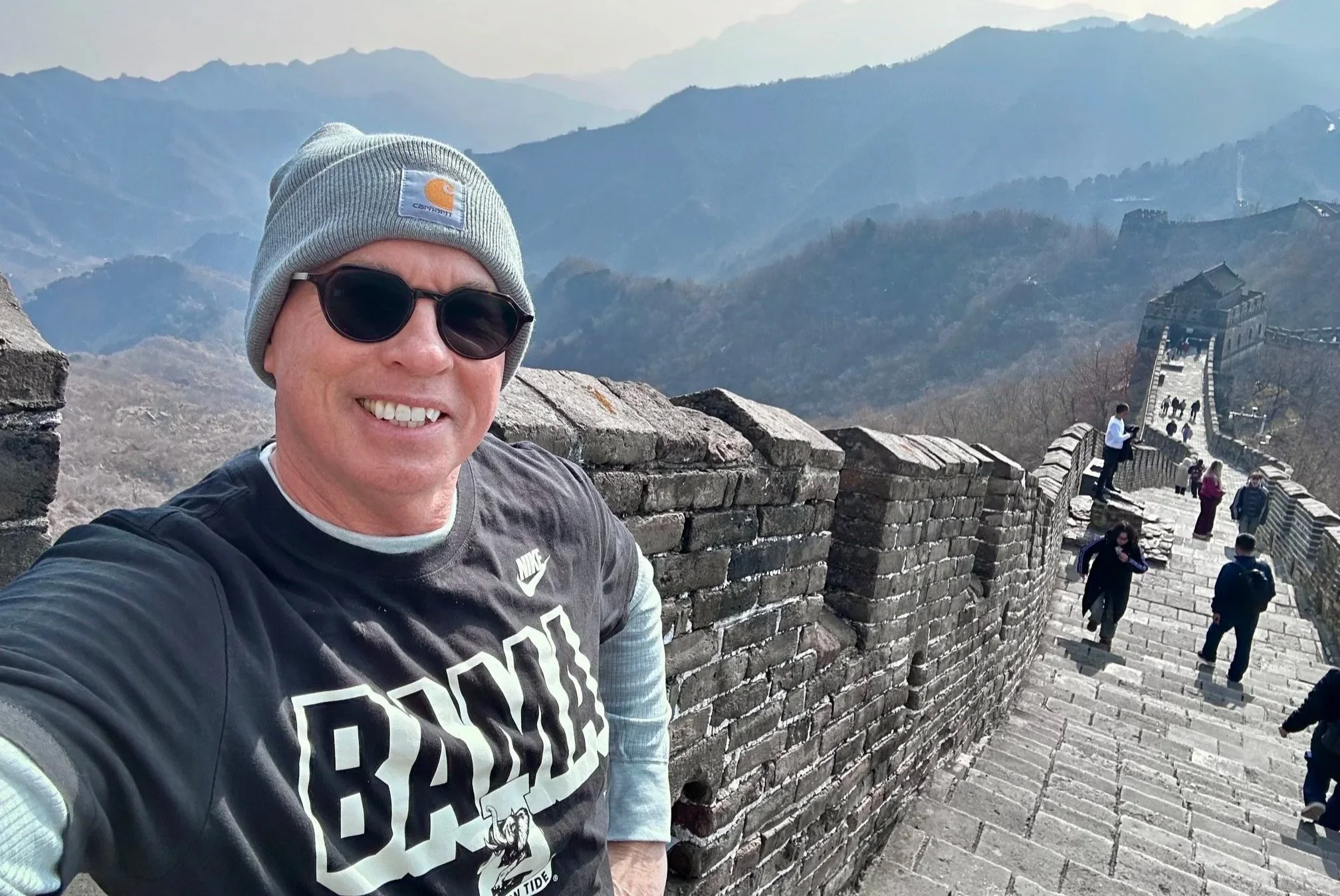
Some people spend their careers chasing success, only to discover that achievement without purpose can feel surprisingly empty. Others eventually begin asking a more meaningful question: How can I use everything I have learned to improve someone else’s life?
Brad Bentley understands both sides of that journey.
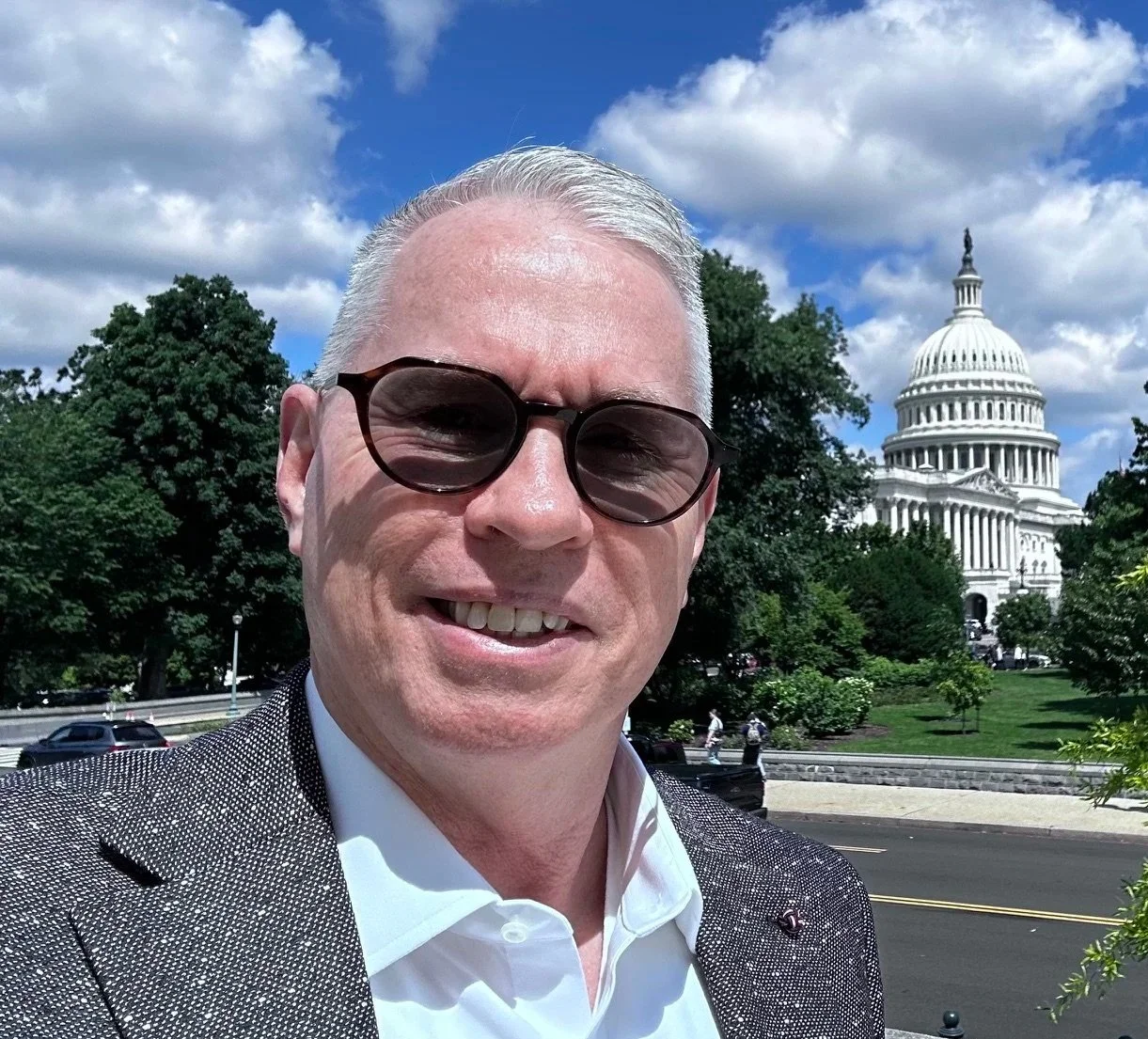
Brad is the president of Fastport, an organization that helps transitioning service members, veterans, and military spouses move into meaningful civilian careers. His work connects military talent with employers, apprenticeship programs, mentors, career resources, and veteran service organizations.
However, Brad’s story is about much more than employment programs and government contracts. It is about a man who found a deeper purpose later in his career and chose meaningful work over personal ambition. It is also about service, mentorship, travel, food, family, and the relationships he has nurtured around the world.
Most importantly, Brad has reached a point where success is no longer primarily about him.
That is one of the clearest signs of a high-value individual.
A Personal Connection to Military Service
Brad’s commitment to veterans is deeply personal.
He grew up in rural Alabama in a family shaped by military service. His father was a World War II veteran, several of his uncles served in World War II or the Korean War, and his older brother later joined the Navy.
Military service was always present in Brad’s life, but it was rarely discussed openly. His father and uncles did not talk much about what they experienced. Terms such as post-traumatic stress disorder and traumatic brain injury were not commonly used when they returned home.
Brad could see that military service had affected the people he loved, but he did not always have the language to understand what they were carrying.
His family lived near the Anniston Army Depot, one of the world’s largest tank repair and rebuilding facilities. He even attended elementary school near its front gate. The military was not an abstract institution to Brad. It was part of his family history and the community that raised him.
Brad did not enter the military himself. Instead, he became the first person in his family to attend college and graduated from the University of Alabama. His career led him through recruiting, advertising, publishing, transportation, trade associations, and eventually Washington, D.C.
Those experiences gave him a broad understanding of employment, business, leadership, and corporate America. Later, that knowledge would connect with the military experiences that had surrounded him since childhood.
When Purpose Replaced the Chase
Brad is honest about the earlier years of his career. For a long time, he pursued money, professional recognition, and powerful positions.
He eventually became the leader of the Truckload Carriers Association in Washington, D.C. He had influence, industry relationships, and a strong professional reputation. By traditional standards, he had achieved success.
But he was not happy.
As Brad approached 50, representatives from Fastport unexpectedly arrived at his office. They were developing technology to help service members translate their military experience into civilian language that employers could understand.
One of their tools, the Resume Engine, converted military occupational specialties into civilian qualifications. That was especially helpful in industries struggling to find truck drivers, diesel technicians, and other skilled workers.
Brad agreed to work with Fastport on an initiative called Operation Heroes to Highways. Approximately 70 companies became involved, connecting veterans with career opportunities in transportation.
Brad saw the impact firsthand. The program was not simply filling open positions. It was giving veterans a way to communicate their value and build successful civilian careers.
A few months later, Brad was invited to lead Fastport. Accepting the role meant stepping away from the industry where he had built his name, relocating to Boston, and learning a new technology-driven business.
He accepted the challenge.
Brad could have remained in a powerful position and continued capitalizing on his industry reputation. Instead, he chose work that offered greater personal meaning.
He chose purpose.
Helping Veterans Find the Right Fit
Transitioning out of the military is far more complicated than submitting a resume.
Service members leave a highly structured environment where they understand their mission, responsibilities, pay, benefits, and path toward advancement. They are trained to operate as part of a team and often place the group ahead of themselves.
Then, almost overnight, they are expected to become individual job seekers.
They must market themselves, prepare for interviews, evaluate companies, negotiate compensation, understand retirement benefits, and determine whether a workplace culture is right for them.
Even highly accomplished military leaders can struggle with this transition. Civilian employers may not immediately understand how military experience translates into their organizations.
Brad and the Fastport team help close that gap. They provide coaching, resume assistance, interview preparation, mentorship, apprenticeship opportunities, and connections to employers.
Brad encourages service members to begin exploring opportunities months before leaving the military. He also advises them to look beyond salary. A good fit may include strong benefits, opportunities for advancement, paid certifications, mentorship, and a welcoming culture.
For Brad, the goal is not simply helping someone find a job. It is helping that person find the right job and build a sustainable future.
Military Friendly Is Not Enough
Brad believes companies must understand the difference between being military-friendly and being veteran-ready.
A military-friendly company may sincerely want to hire veterans. A veteran-ready company has the culture, systems, and resources necessary to help them succeed after they are hired.
That distinction matters because many veterans leave their first civilian job within a relatively short period. Some rushed through the transition. Others received poor advice, joined the wrong organization, or entered a company that did not understand military culture.
Fastport encourages employers to create veteran employee resource groups that connect new hires with veterans already working inside the organization. These groups provide mentorship, community, and a place to ask questions.
Brad also helped develop the Veteran Ready Summit, which brings together employers, human resources professionals, military advocates, and industry leaders. Participants share practical strategies for recruiting, welcoming, mentoring, and retaining military-connected employees.
The message is clear: patriotism may inspire a company to hire veterans, but preparation helps those veterans stay and thrive.
Mentorship as a Mission
Mentorship is central to Brad’s approach to leadership.
Some of the strongest influences in his childhood were athletic coaches who provided structure, discipline, and encouragement while his father faced health challenges.
Brad never forgot their impact.
He later became a high school wrestling coach and spent more than 20 years as a sports official in Alabama. High school athletics remained part of his life for roughly three decades.
Through coaching, Brad saw how one adult could change a young person’s direction. A conversation, a correction, or an expression of confidence can stay with someone for years.
He now brings that same approach to veterans. He listens, advises, encourages, and connects people with resources that can help them move forward.
Brad also understands that Fastport does not have all the answers. However, its team has developed a powerful network. When Brad cannot personally solve a problem, he usually knows someone who can help.
That willingness to make connections without worrying about who receives the credit is another quality of a high-value individual.
The Work Is Not Finished
Brad is proud of the progress made in veteran employment, but he knows serious challenges remain.
Military spouses often face interrupted careers because of frequent relocations. Professional credentials may not transfer across state lines, and a new assignment may not offer opportunities that match their education or experience.
Remote work has created new possibilities, and Brad believes companies should recognize military spouses as an exceptional talent pool. Fastport has employed several military spouses, whom he describes as some of the organization’s finest team members.
The mission continues because thousands of service members transition into civilian life each year. This is not a task that can be completed once and checked off a list.
That is why Brad remains committed to Fastport. Although he has received other opportunities, he describes himself as “ride or die” with the organization.
The work can be difficult, but it matters too much to leave unfinished.
The Moment That Defined His Why
Brad’s purpose became especially clear during a recent event at Keesler Air Force Base in Mississippi.
A woman preparing to leave the Air Force approached his table after missing one of his workshops. She wanted to enter healthcare, so Brad explained how Fastport could connect her with career and apprenticeship resources.
Their conversation expanded into veteran service organizations, service dog programs, healing initiatives, and a trip Brad had taken with Vietnam veterans returning to Vietnam.
The woman began to cry.
Brad had spoken with thousands of service members, but he had never experienced anyone crying at his table. When he asked whether she was all right, she told him, “I’m at the right table.”
She explained that the work Brad and his partners were doing was exactly what she wanted to do after leaving the military.
The moment affected him deeply.
It reminded Brad that his role was not only to help someone find employment. He could help people discover a future connected to their values, experiences, and personal calling.
He promised to connect her with the right people wherever she eventually settled.
That moment is Brad’s why.
A Life Enriched by Relationships
Brad’s passion for people extends far beyond his professional work.
Growing up relatively poor in rural Alabama, he did not board an airplane until his junior year of college. Business travel later introduced him to the world, and he developed a passion for exploring new places.
He has now visited more than 100 countries and all 50 states.
For Brad, travel is not about collecting destinations. It is about learning, food, culture, shared experiences, and relationships. He has attended international sporting events, run with the bulls in Pamplona, and dined at many of the world’s most celebrated restaurants.
He is also a serious food enthusiast who began by becoming certified as a barbecue judge. His interests later expanded into bourbon tasting and other culinary experiences.
The contrast is meaningful to him. Brad remembers reduced-price school lunches and government cheese in the family refrigerator. He never imagined that a boy from rural Alabama would someday enjoy meals prepared by some of the world’s finest chefs.
Rather than treating those experiences as status symbols, he sees them as reminders of life’s possibilities and opportunities to connect with people.
The Devoted Father Behind the Traveler
Brad’s family responsibilities have evolved. He has an adult daughter who lives in Washington, D.C. When she was younger, he was deeply involved in her school activities, gymnastics, and dance.
He proudly spent approximately 15 years as a dance dad, attending competitions and spraying more hairspray than he cares to remember.
That image reveals another side of Brad. The company president, global traveler, wrestling coach, and veteran advocate was also a father committed to being present for his daughter.
High-value individuals understand that presence matters. It matters in the workplace, in the community, and especially at home.
Leaving the World Better
When asked about his legacy, Brad did not offer a rehearsed answer. He had been too focused on the work and the people around him to spend much time planning how he wanted to be remembered.
Eventually, he returned to relationships.
He thought about the people he had met early in their civilian careers who later advanced, changed industries, or became successful business owners. If even one person built a better life because he helped guide or connect them, he said he could feel good about his contribution.
Fortunately, there are many such people.
Brad says he would have answered questions about himself differently 15 years ago. Back then, he was more focused on building his own career and reputation.
Today, his perspective is clear.
“It’s not about me anymore.”
He wants to leave the world better than he found it. He wants to know that his work made a meaningful difference.
Brad Bentley is a high-value individual because he has learned to turn experience into service. He uses professional knowledge to create opportunities, relationships to connect people, mentorship to strengthen others, and passion to bring energy to important work.
He discovered that the greatest success is not found in chasing another title. It is found in becoming the person at the right table when someone needs direction, encouragement, or hope.
Brad Bentley wants to make a difference.
That is the heart of a high-value life.
Jerold R Jackson