Myra Gardiner: What a High Value Life Really Looks Like
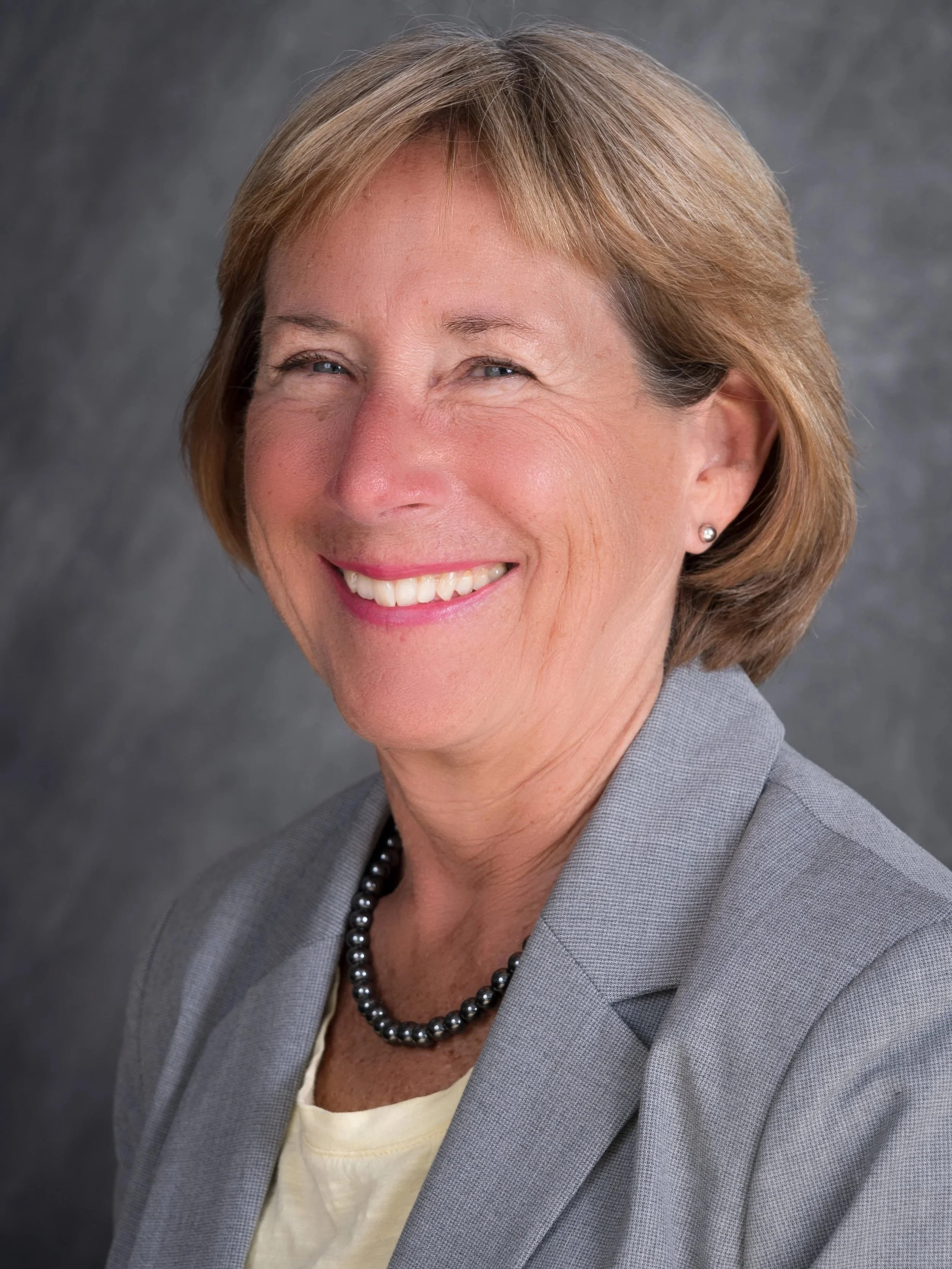
Some people talk about excellence, and others live it so consistently that it becomes
part of their character. Myra Gardiner is one of those people.
When you first hear her resume, it is easy to be impressed. She has spent more than 40
years in the energy industry, working at a high level across nuclear, coal, wind, and
solar. She has served in senior leadership, managed complex operations, solved
difficult problems, and built a reputation as someone trusted to get things done. She
also carries Six Sigma training, a strong financial background, and the kind of executive
presence that can only be earned over time.
But once you listen to Myra speak, you quickly realize that her value goes far beyond
titles or achievements. What makes her stand out is the mindset that drives her
success. She is thoughtful, practical, resilient, deeply disciplined, and remarkably
honest about growth. She speaks with the voice of someone who has earned her
wisdom the hard way. There is no fluff in her story. There is no need for exaggeration.
Her life reflects the kind of high-value standard built one decision, one challenge, and
one day at a time.
What also makes Myra so compelling is that she does not present success as a
polished fantasy. She presents it as work. Real work. Lifelong work. The kind that
begins early, demands consistency, requires accountability, and often forces a person to
evolve in areas they may not naturally favor. That honesty is part of what makes her
story so strong.
In a world where many people define success by appearances, Myra Gardiner reminds
us that true value comes from substance. It comes from how you handle pressure, build
teams, solve problems, respond to adversity, and how willing you are to keep growing
even after you have already achieved so much.
Her story begins, fittingly, with work.
Long before boardrooms, executive meetings, and multimillion-dollar energy operations,
Myra was learning discipline in Southern Maryland on her grandfather’s farm. She
shared that she had probably been working since the age of five.
Growing up in Southern Maryland on her grandfather’s farm, work was not optional. It
was expected. Every member of the family contributed, and every task carried weight.
One of the earliest examples she gave was both funny and revealing. Her grandfather
offered her and her sister a nickel for every tobacco worm they pulled off the plants.
Those worms were big and unpleasant, so young Myra immediately came up with a
plan. She told her sister she would be the spotter, and her sister could take them off. It
is a light moment in the interview, but it reveals something important. Even as a child,
Myra was already thinking in terms of teamwork, roles, efficiency, and outcomes. She
was not avoiding the work. She was learning how to approach the work strategically.
As the years went on, the responsibilities grew. There were tobacco sticks to lay down,
planting to do, cutting to handle, and a whole system of labor that required everyone’s
participation. Those early experiences seem to have shaped her understanding that
every role matters and that no strong result comes without coordinated effort. It also
taught her that work is not something to fear. Work is something to respect.
That mindset stayed with her.
When Myra entered the professional world after earning a bachelor’s degree in
economics and a master’s degree in financial management, she stepped into the
energy industry, a technical field, demanding and unforgiving of carelessness. She
immediately entered supervision and began learning how large organizations operate,
how metrics drive performance, and how important precision is in industries where
mistakes can have serious consequences.
It is worth pausing here because this part of her story highlights a quality many people
overlook in high-value individuals. They do not simply stumble into high-impact
environments and hope things work out. They commit to spaces that require growth.
They place themselves in roles where competence matters. They develop the habits
and mental frameworks needed to perform under pressure.
Myra also received practical advice early on from her father-in-law, who told her to take
the utility job because there would always be a need for energy and electricity. It was
wise advice, and it proved true. But what is interesting is not just that she took a stable
path. It is that she took that path and turned it into a platform for excellence. She did not
merely stay employed. She built expertise. She grew into leadership. She created value
over and over again.
That phrase, in fact, comes close to defining her mindset. During the interview, when
asked how she sustained excellence over 40 years, Myra said she found herself always
searching for the next added value activity.
High-value people are always looking for where they can contribute next. They do not
coast on what they already know. They do not assume that yesterday’s success is
enough for today. They look for the next problem to solve, the next improvement to
make, the next responsibility to carry, the next way to strengthen the team, the process,
or the mission.
That search for added value is one of the clearest indicators of a growth-oriented life.
As her career advanced, Myra built a strong reputation not only for competence, but for
leadership. Yet her view of leadership is not based on charisma or control. It is based on
clarity, planning, communication, and trust. She spoke in detail about how teams are
built and why some teams work better than others. Her answer was grounded, practical,
and highly instructive.
She believes leaders need a real plan. Not a vague idea. Not just verbal direction. A
written plan. Responsibilities must be clearly defined. Boundaries must be laid out.
Timelines must be established. Start dates and end dates matter. People need to know
what they own and how their work fits the larger goal.
But what makes her approach strong is that she does not stop there. She also believes
in bringing people into the planning process. She talks about putting a draft in front of
the team and getting their input before finalizing it. That matters because it creates buy-
in. When people are included in shaping the plan, they are more invested in executing
it. When they understand not just what to do but why it matters, they are more likely to
perform with ownership.
This approach reflects mature leadership. It respects both structure and people. It
recognizes that strong outcomes come not just from direction, but from participation.
Another important part of her philosophy is that leaders should identify people's
strengths and build on them. Myra is realistic. She understands that no one is perfect.
Everyone has areas where they excel and areas where they struggle. The goal is not to
demand sameness from everyone. The goal is to place people where they can
contribute best. That kind of leadership builds stronger teams by valuing individual
strengths rather than forcing everyone into the same mold.
There is also a very human aspect to her leadership style that deserves attention. She
shared that one of the most meaningful lessons she learned early in her career was that
it is okay to make a mistake, as long as you communicate it, understand what went
wrong, and help make sure it does not happen again.
That lesson stayed with her because it creates a culture where people can be honest. In
too many environments, people hide mistakes out of fear of punishment. That fear
makes organizations weaker, not stronger. When people conceal problems, those
problems grow. When people can surface issues quickly, teams can learn, adjust, and
improve.
Myra understood this clearly. Accountability was not about blame. It was about
transparency and growth. That distinction is critical.
The energy industry gave her many chances to live out these principles in real time, one
of the most compelling stories she shared involved a solar site outside Las Vegas. The
site had been constructed and brought into commercial operation, but once the hotter
months arrived, the system began shutting down due to overheating. The issue came
down to inverter units housed in air-conditioned enclosures where the cooling systems
had been undersized. The site was failing in desert heat, and there was no option but to
fix it.
This story is powerful because it shows what high-level leadership looks like under
pressure. Myra did not romanticize the challenge. She described the hard work of
bringing together internal teams, corporate supply chain leaders, vendors, third-party
engineers, and external stakeholders. Temporary solutions had to be implemented to
keep as much power flowing as possible. A long-term technical fix had to be developed
and executed. There were moving parts, deadlines, financial implications, and
operational urgency.
How did she manage something so complex without being overwhelmed?
Her answer was simple and brilliant. She made a plan. She got the team together, put
everything into an Excel spreadsheet, listed every task that needed to be completed,
prioritized the items, assigned responsibility, set timeframes, and established a review
rhythm through daily meetings.
That answer sounds simple, but it reflects a very high level of operational maturity. The
ability to break a major problem into clear, trackable actions is one of the core
disciplines of effective leadership. A lot of people talk about being solution-oriented, but
Myra’s version is not emotional. It is structural. She does not just say, “We’ll figure it
out.” She creates the mechanism by which the team can figure it out.
Her love of Excel may seem small to some readers, but it actually says a lot about how
she thinks. She likes systems. She likes visibility. She likes order. She likes being able
to see what is happening, who owns what, and where the risks are. That kind of
organized thinking becomes a massive advantage when problems get complicated.
And Myra is very clear about one other thing. Leadership is not set-it-and-forget-it. She
believes in what she calls a rhythm of review. Progress must be checked regularly.
Problems must be surfaced early. Support must be available when someone raises a
hand and says they are stuck. This kind of daily involvement is not micromanagement
when done correctly. It is stewardship. It is staying close enough to the mission that
nothing critical gets lost.
At the same time, Myra also understands the danger of becoming too controlling. In one
of the more self-aware moments of the interview, she admitted that her family
sometimes called her a yappy dog because if she is responsible for something, she
wants to make sure it happens. She laughed about it, but then went deeper. She
explained that when leading a team, you do not want to press down on people. You
want to lift them, give them what they need, and create the conditions for their success.
That is a wise distinction. Great leaders are not just task drivers. They are force
multipliers. They remove obstacles. They provide tools, information, and access. They
create momentum. Then they step back enough to let capable people do their jobs.
This balance between involvement and empowerment is one of the strongest aspects of
Myra’s leadership profile.
Another major pillar of her success is her commitment to data. When asked what
mindset allows her to be as confident in her decisions as she is, she pointed directly to
her Six Sigma training. For her, data matters because it tells the truth. Too many people
jump to conclusions without looking at the evidence. Myra does not operate that way.
She wants the facts. She wants the metrics. She wants to understand the reality of the
problem before making a decision.
That said, she is not rigid. She also acknowledged that the available data can
sometimes be incomplete. In those moments, she relies on another lesson she learned
during graduate school. If you have gathered all the data you can, listened to the right
people, and the answer is still not fully clear, follow your gut.
That combination of evidence and instinct is important. Some leaders lean too hard on
emotion. Others hide behind endless analysis. Myra understands that effective decision-
making often requires both disciplined review and seasoned intuition. You study the
facts, and when the facts do not tell the whole story, you rely on experience.
She also made a statement that cuts right to the heart of executive accountability. You
cannot refuse to decide. In her world, if you cannot make decisions, someone else will
be found who can. That is a serious truth, and it separates those who want the
appearance of leadership from those willing to carry its weight.
The same seriousness shows up in her daily habits. One of the most memorable habits
she shared is rewriting her task list every single day. She has done this for 30 years. If
she does not have a task list, she feels lost.
This is not just a productivity tip. It is a lifestyle. It reflects her commitment to staying
ahead rather than drifting behind. Every day requires reprioritization. Every day brings
new information. Every day, there are red flags to assess. For Myra, the list is not just
about remembering what to do. It is about controlling the day before the day controls
you.
She framed this in a very powerful way. A person can either be proactive or reactive.
She strongly believes you do not want to live on the reactive side, because that means
you are constantly responding to what others do to you. To stay proactive, you need to
know what you expect, what could go wrong, and what demands your attention first.
This is where her risk mindset becomes especially relevant. Myra said plainly that she
looks for adversity. She is always reassessing risk. She is constantly scanning for what
might happen, assigning probability to potential issues, and deciding which ones need
to make the list. High-probability, high-impact problems require attention.
Low-probability, low-impact issues may not.
This is not paranoia. It is executive awareness.
The ability to anticipate trouble before it becomes a crisis is one of the greatest
advantages a leader can have. And in Myra’s case, that ability seems deeply ingrained.
Of course, no truly meaningful life is built without setbacks, and Myra’s story includes
deep personal adversity as well. One of the most moving parts of the interview came
when she described her husband suffering a stroke at age 48 during a family ski trip.
What began as a day on the slopes turned into a major medical crisis, followed by years
of complications, including a progressive neurological disease. She had teenage
children at the time. Her husband had his own business. Life changed dramatically.
This part of her story reveals another layer of her strength. It is one thing to lead at
work. It is another thing to carry enormous pressure at home while continuing to
function, provide, plan, and hold everything together. Myra did not describe herself as
heroic. She said, "You do what you have to do." But that is often what true strength
sounds like. It does not boast. It adjusts and moves forward.
The experience reinforced her belief in contingency planning. It also deepened her
resilience. Life, after all, does not always consult your calendar. A person can plan well
and still be blindsided by hardship. High-value people are not those who avoid pain.
They are the ones who adapt without surrendering their integrity or their mission.
Another reason Myra stands out is her willingness to discuss personal growth in areas
where she was not naturally strong. Many accomplished professionals are comfortable
talking about expertise, credentials, and victories. Fewer are willing to talk honestly
about their emotional blind spots.
When asked about her definition of success, Myra gave an answer that showed how
much she has evolved. She said success has to circle how you treat people and how
you make them feel. She referenced a line: “People will not remember what you said or
what you did, but they will remember how you made them feel.” That idea clearly struck
her deeply.
What makes this especially meaningful is that she admitted this has not always been
her strong point. She described herself as more naturally controlling than nurturing. She
shared that after completing a leadership coaching course and seeing the results of a
personal inventory, she bought a plaque for her home with the word ‘nurture’; on it.
That detail may be one of the most revealing in the entire interview.
Why?
Because it shows that growth did not stop when success arrived, even after decades of
accomplishment, Myra was still willing to confront something in herself that needed
development. She did not excuse it. She did not ignore it. She created a visible
reminder to keep working on it.
That is what real self-leadership looks like.
It would have been easy for her to say, “This is just how I am.” Instead, she chose
intentional evolution. She understood that being effective is not enough if you are not
also becoming better at the things that matter most in relationships.
This naturally leads into one of the most powerful themes in her story: the relationship
between achievement and humanity. Myra has clearly achieved at a high level. But
listening to her now, it is obvious that she sees success differently than she may have
earlier in life. Advancement matters. Results matter. Excellence matters. But the older,
wiser perspective understands that people matter, too.
She talked about the need to listen, both at work and in family life. She acknowledged
how hard it can be not to immediately go into problem-solving mode when someone
brings you an issue. She has had to learn to ask whether the person wants help or
wants to talk. Nine times out of ten, she said, they are just venting.
That is an important lesson, especially for highly competent people. When you are used
to solving problems, you can start treating every conversation like a project. But not
every moment calls for a fix. Sometimes it calls for presence. The fact that Myra is
aware of that and actively working on it says a great deal about her maturity.
Her views on mentorship also reflect this maturity. She said that once you are in a
management role, you are always a mentor, or at least you should be. She has
mentored many people throughout her career, both formally and informally. But she also
recognizes a challenge many strong leaders face: the temptation to jump in and do
things yourself rather than letting others learn. True mentorship requires patience. It
requires pointing people in the right direction without robbing them of the discovery
process.
Again, this shows her understanding that leadership is not about proving your own
strength over and over again. It is about developing strength in others.
When you pull all of these threads together, what emerges is a very rich picture of what
a high-value life really looks like.
It looks like work ethic was formed early and reinforced consistently.
It looks like education is paired with application.
It looks like career success is earned through skill, preparation, planning, and execution.
It looks like a leader who respects systems, values data, and knows how to organize
chaos into action.
It looks like accountability without fear.
It looks like resilience under deep personal strain.
It looks like someone is honest enough to keep growing in the emotional areas that do
not come naturally.
And it looks like a person who has come to understand that success is not just about
what you build, but also about how people feel when they have been around you.
That is what makes Myra Gardiner such a strong example for High Value All-Stars
Magazine.
She represents a kind of excellence that is durable. Not flashy. Durable.
She is not high value because she holds a title. She is high value because she has
substance. She has discipline. She has wisdom. She can build, adapt, lead, and
improve.
She also reminds us that a high-value person is not one-dimensional. Strength and
tenderness can exist in the same life. Structure and empathy can exist in the same
leader. Data and instinct can work together. Control can mature into nurture.
Performance can evolve into impact.
Myra’s journey is a masterclass in what happens when a person keeps showing up,
keeps learning, keeps refining, and keeps choosing responsibility.
In the end, perhaps that is the clearest way to define her.
Myra Gardiner is a woman who has spent a lifetime taking responsibility.
Responsibility for the work.
Responsibility for the team.
Responsibility for the outcome.
Responsibility for growth.
Responsibility for family.
Responsibility for becoming not only more successful, but better.
That is rare.
And that is exactly why she belongs in the conversation about what it means to be a
true High Value All-Star.
Jerold R Jackson.